This report pulls together data from Dorset’s Cultural Strategy Survey as well as national and local data, with case studies to provide an overview of Dorset’s cultural sector, and its impact in the county and beyond. The full list of data sources can be found at the bottom of this page
Introduction
From festivals to town museums, independent galleries to acclaimed arts centres, Dorset’s culture is distinctive, vibrant and rooted in its community.
This report demonstrates some of the impact of that culture. It shows how culture drives economic growth, with Dorset Council using its funding as investment to generate financial return. Culture enables towns and villages across Dorset to be more vibrant with activity for residents and visitors alike. Culture supports people to live happier, healthier and more fulfilling lives.
In Dorset, there are over 600 creative businesses and over 4000 people working in culture. For the publicly funded sector, the last 10-15 years have been particularly challenging. The sector has had to adapt to a world with reduced funding and this has been particularly hard for those at the frontline. People are often working longer and earning less.
Against this, it’s remarkable to see how robust the sector has become, developing opportunities and partnerships beyond culture and with wider society. As this report shows, innovation is a fundamental characteristic of Dorset’s cultural sector and, against tough headwinds, culture continues to be vital to people and places throughout Dorset.
This would be impossible without Dorset Council. Through their in-house team and externally contracted services, the local authority provides expert advice, training opportunities and funding which enables creatives and cultural organisations to develop and maintain a cultural offer that benefits all residents and visitors of Dorset.
Engagement in Culture
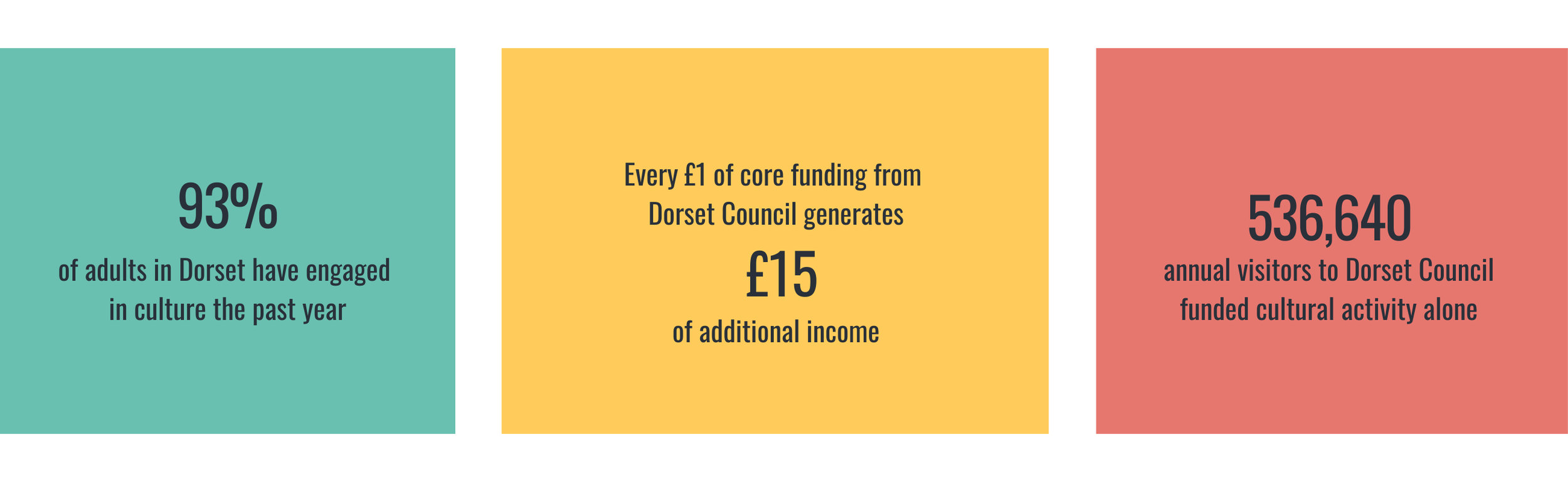
Engagement is high, with 93% of adults engaging with the arts in the past year - above the national average of 91%. Heritage is equally popular, attracting 72% of adults, well ahead of the 67% national benchmark.
Libraries, museums, and galleries continue to draw steady audiences, with nearly half of adults visiting these cultural spaces.

Dorset’s cultural organisations welcomed 536,640 visitors - remarkable for a county of 380,000.
Research shows people are passionate about getting involved. 79% attend at least one cultural activity a month, often travelling an average of 25 miles to take part.
Social media, word of mouth and organisers’ websites are key ways people discover what’s on, but 28% still feel out of the loop, highlighting a clear opportunity to better connect audiences with Dorset’s vibrant cultural life.
b-side is a visual arts organisation based on the Isle of Portland.
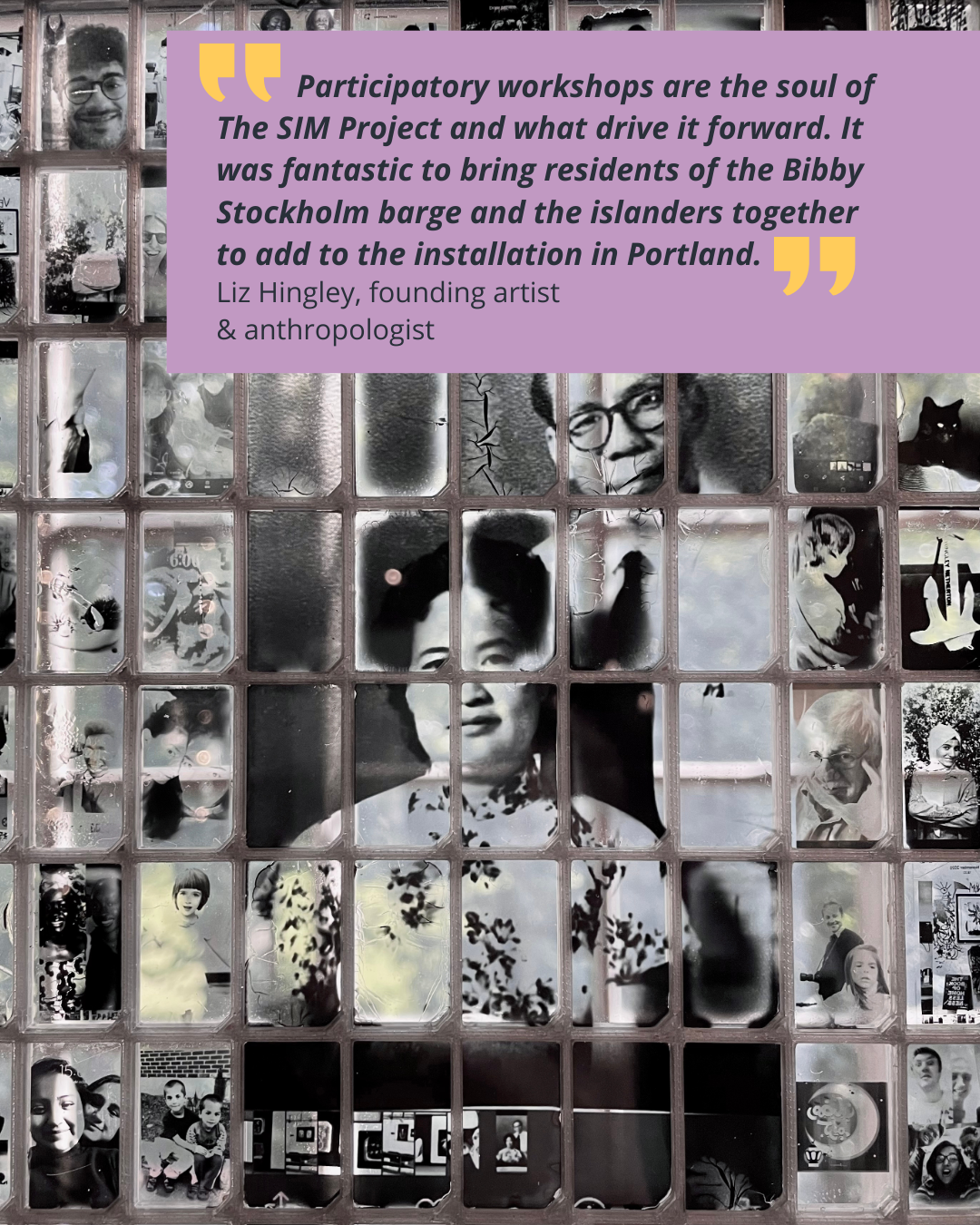
Their work with Bibby Stockholm residents culminated in new artist commissions for b-side festival, The SIM Project by Liz Hingley.
The project explores the SIM card as a symbol of identity and connection, a “portable home” held in a phone, turning digital networks and migration stories into tangible forms.
In workshops, residents of Portland came together to create SIM-scale glass prints . Each person made one for a collective installation shaped in response to the island’s geology.
Case Study: The Sim Project
by Liz Hingley with the support of Frank Menger and Egemen Kizilcan.
As well as attending events 177,338 people took part in cultural activities across the county.
Participation strengthens connections, with 84% saying culture connects them to their community and 76% to a place.
“Studies of specific arts interventions (including music, photography, dance and visiting cultural heritage sites) have shown increases in all types of individual and social wellbeing. Additional benefits of engaging with activities include resilience, rejuvenation, purpose and quality of life” (World Health Organisation, 2019)
Engagement is not just about attendance. Among those who attend, many actively take part in activities.

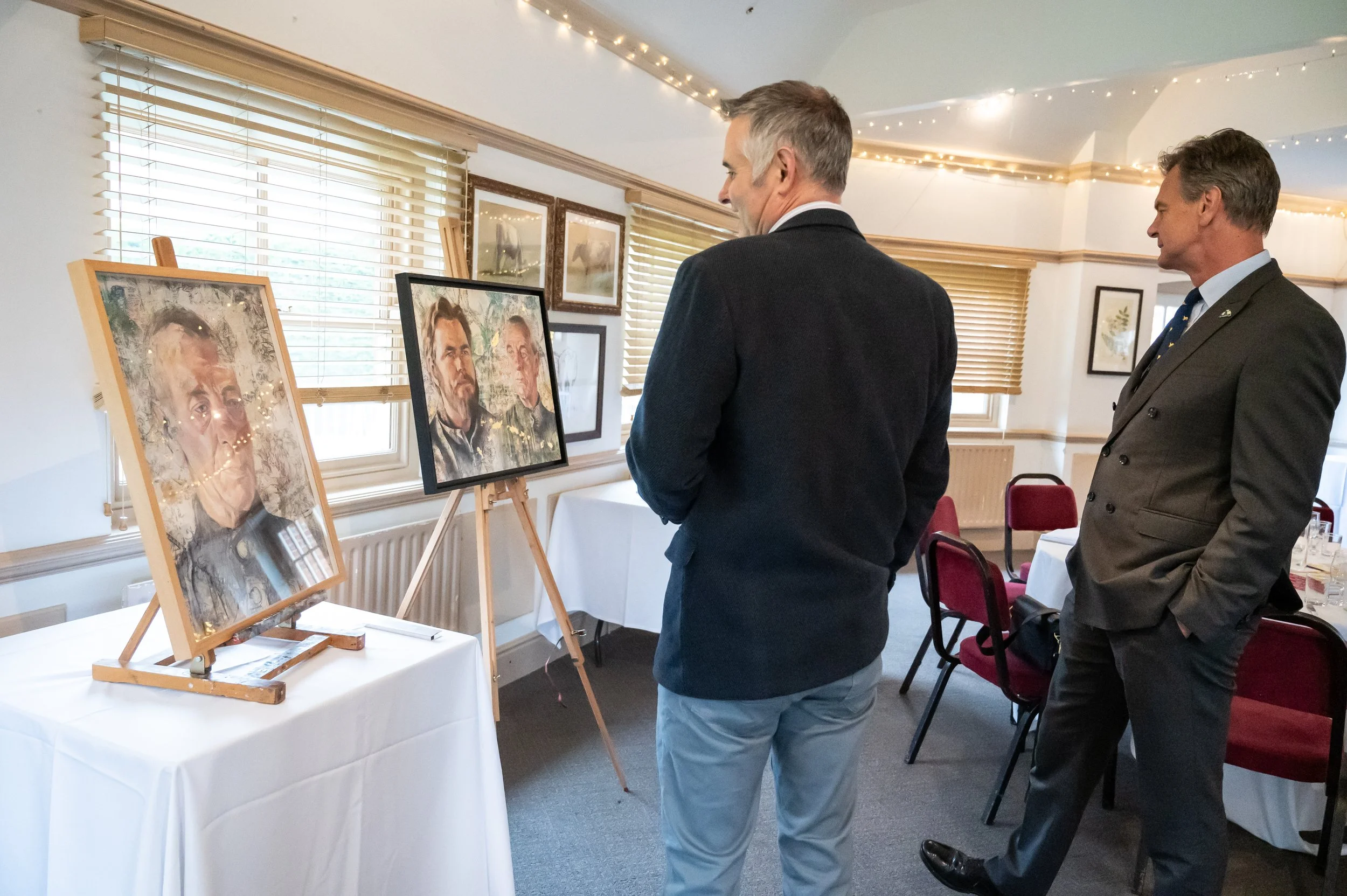
Museum of East Dorset is based in the heart of Wimborne.
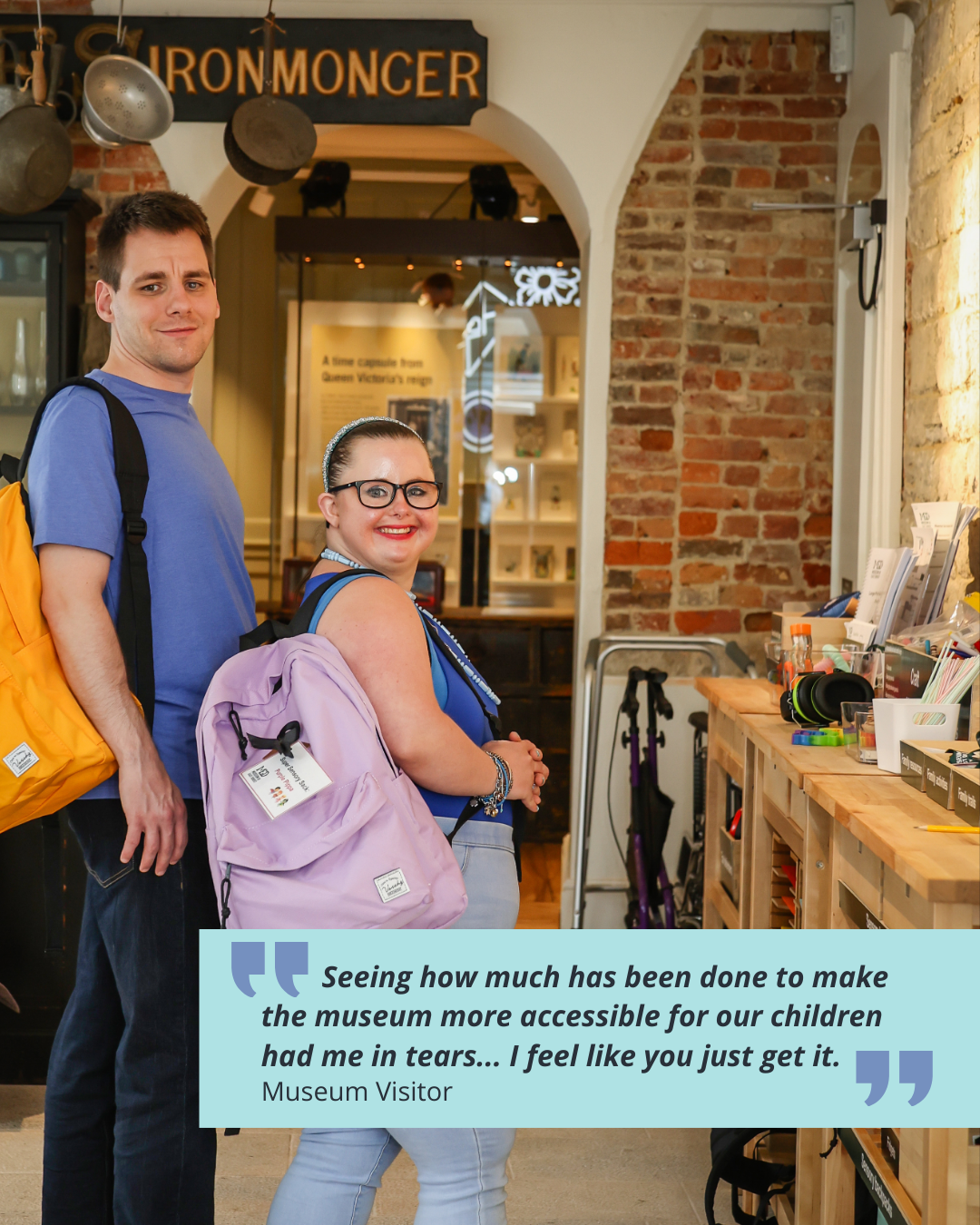
They worked with Wimborne Parent Support Group for Neurodiverse Children and took advice from Diverse Abilities to create sessions for children and adults who are neurodiverse, have learning disabilities and other conditions which are typically a barrier for them to visit the museum.
They significantly improved the amount of access resources available and their display on the visitor route so they can be used by anyone without having to ask.
Case Study: The Museum of East Dorset
Dorset Council’s Impact on Culture
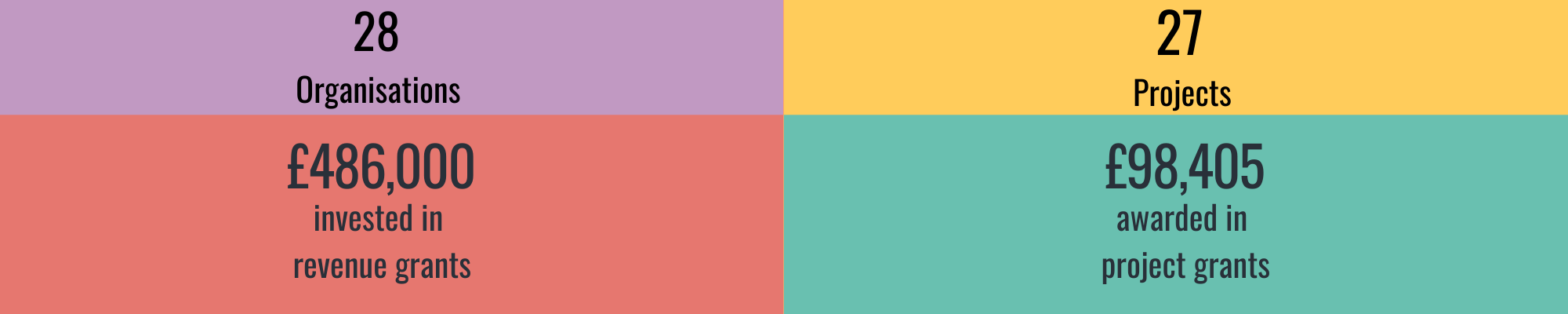
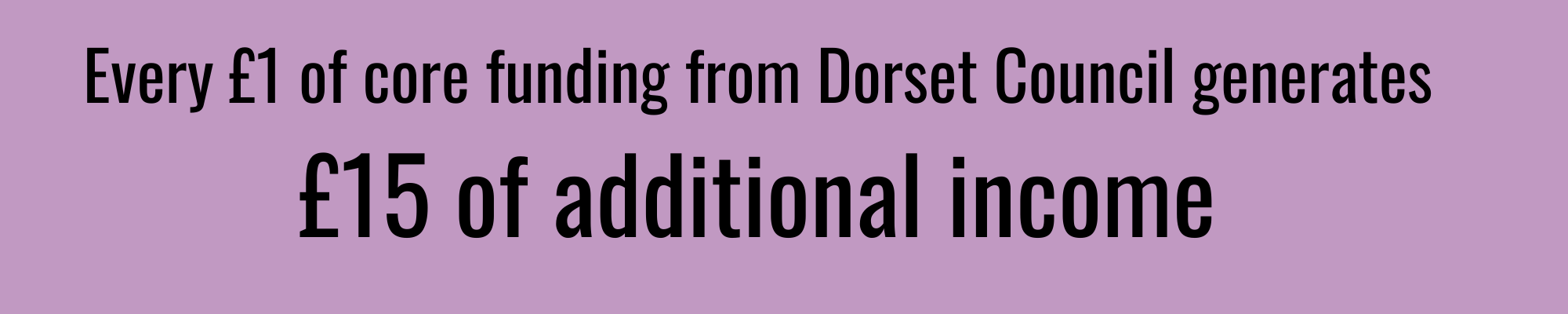
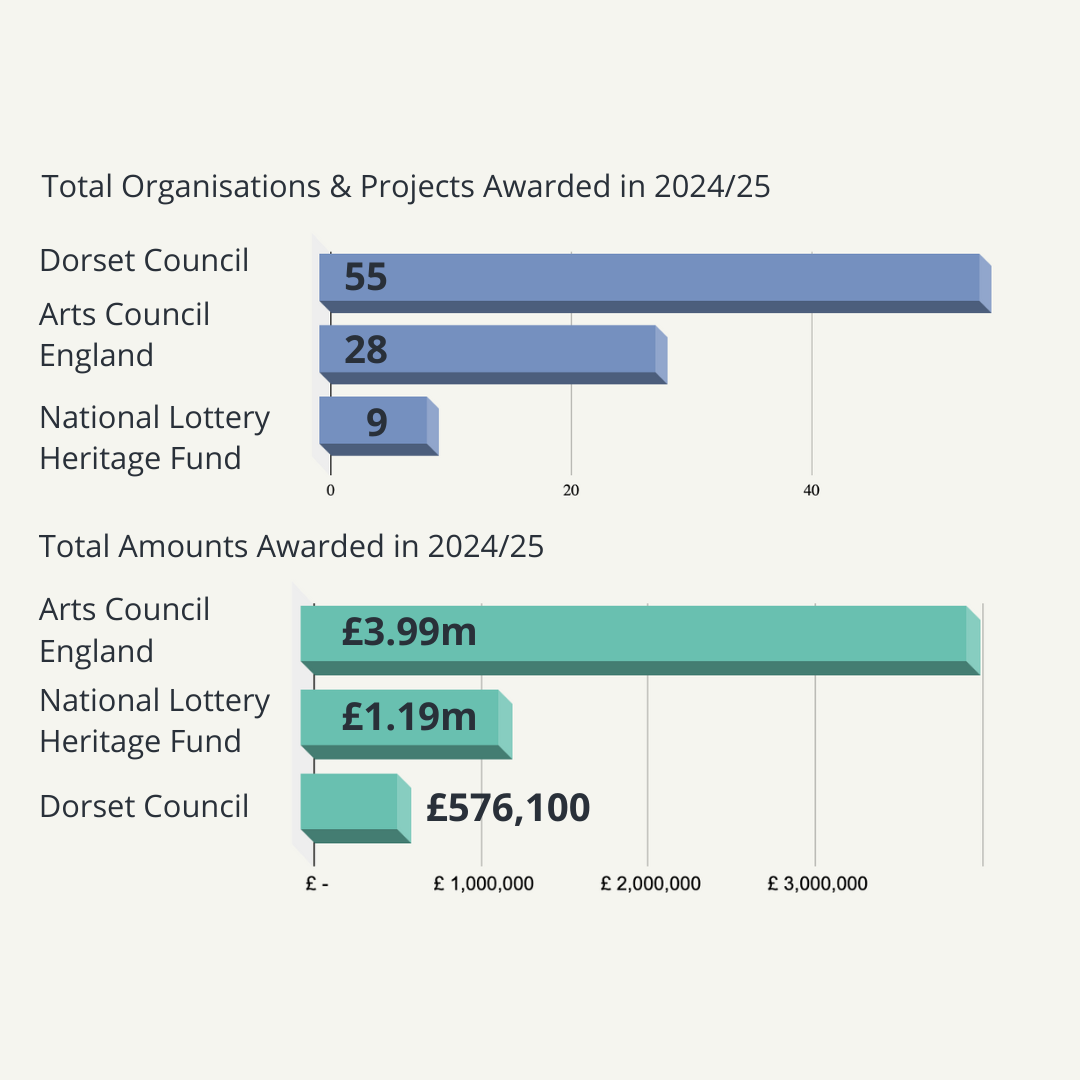
Dorset Council are a key funder and enabler of culture in Dorset. They are rare in local government in having an open process for revenue and project funding.
In 2024- 2025:
The impact of this support is visible across Dorset.
At Weymouth Museum Trust, Dorset Council funding and expert guidance from Museum Advisor Vicky de Wit enabled the museum to secure a National Lottery Heritage Fund award, safeguarding key collections and supporting planning for new premises that will serve future generations.
At The Mowlem, Swanage, Dorset Council investment has helped transform the venue’s offer and strengthen community connections.
“Without the Dorset Council, the progress could not have been made. Support has gone beyond the benefit of the grant. Advice, and experience from Senior Arts Officer, Tracy Cooper, has been invaluable.” - Robin Sutcliffe, Chair, The Mowlem
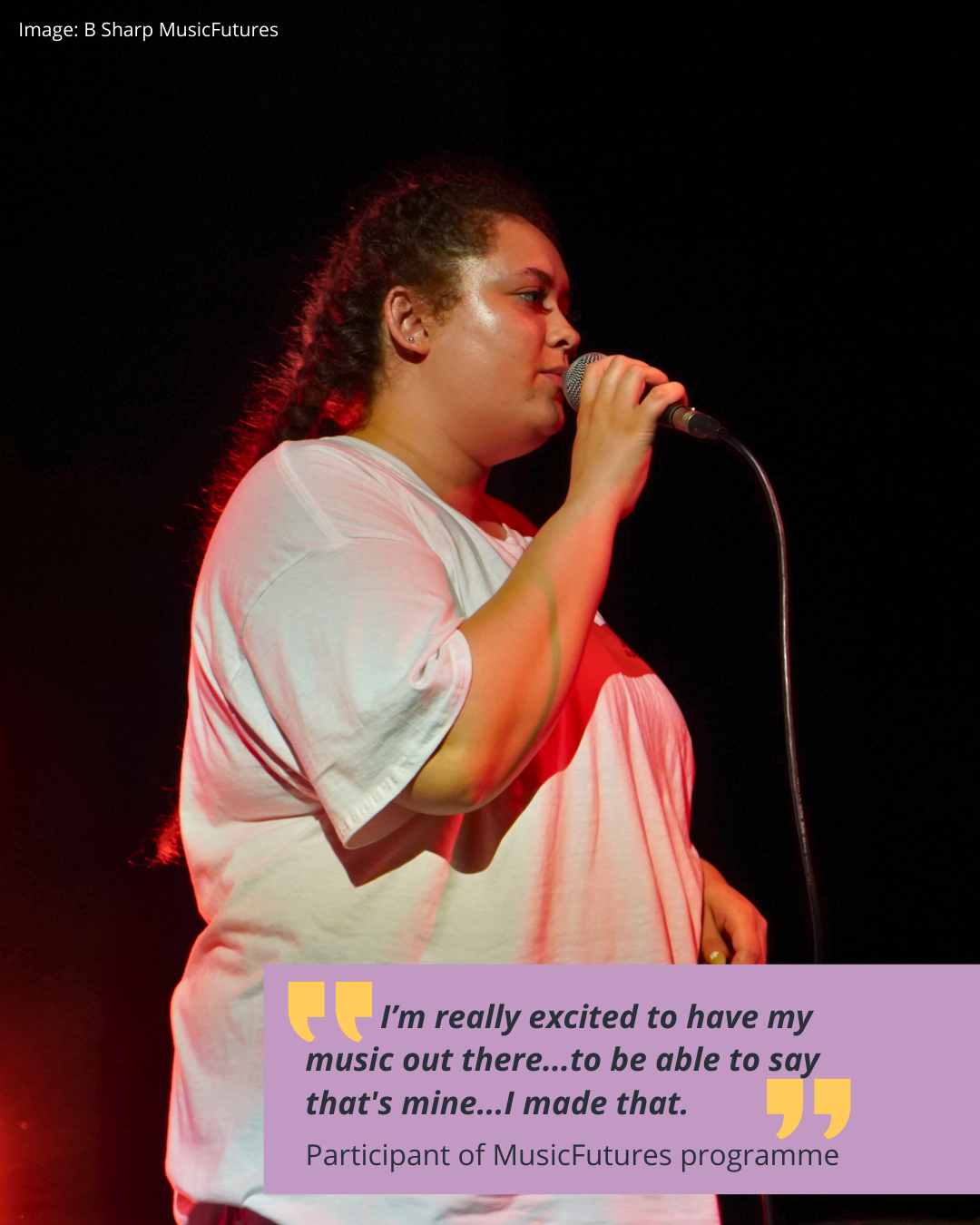
B Sharp is a charity based in West Dorset. They work with young people involving them in music to help them grow, connect and thrive.
For B Sharp's MusicFutures programme,15 young people, including those with mental health issues, from disadvantaged backgrounds, and LGBTQ+, took part in a nine-month mentoring project, to help them take steps towards a career in music.
They recorded their original music, released it via Harbour Records, and performed at Bridport Arts Centre.
Case Study: B Sharp
Archives
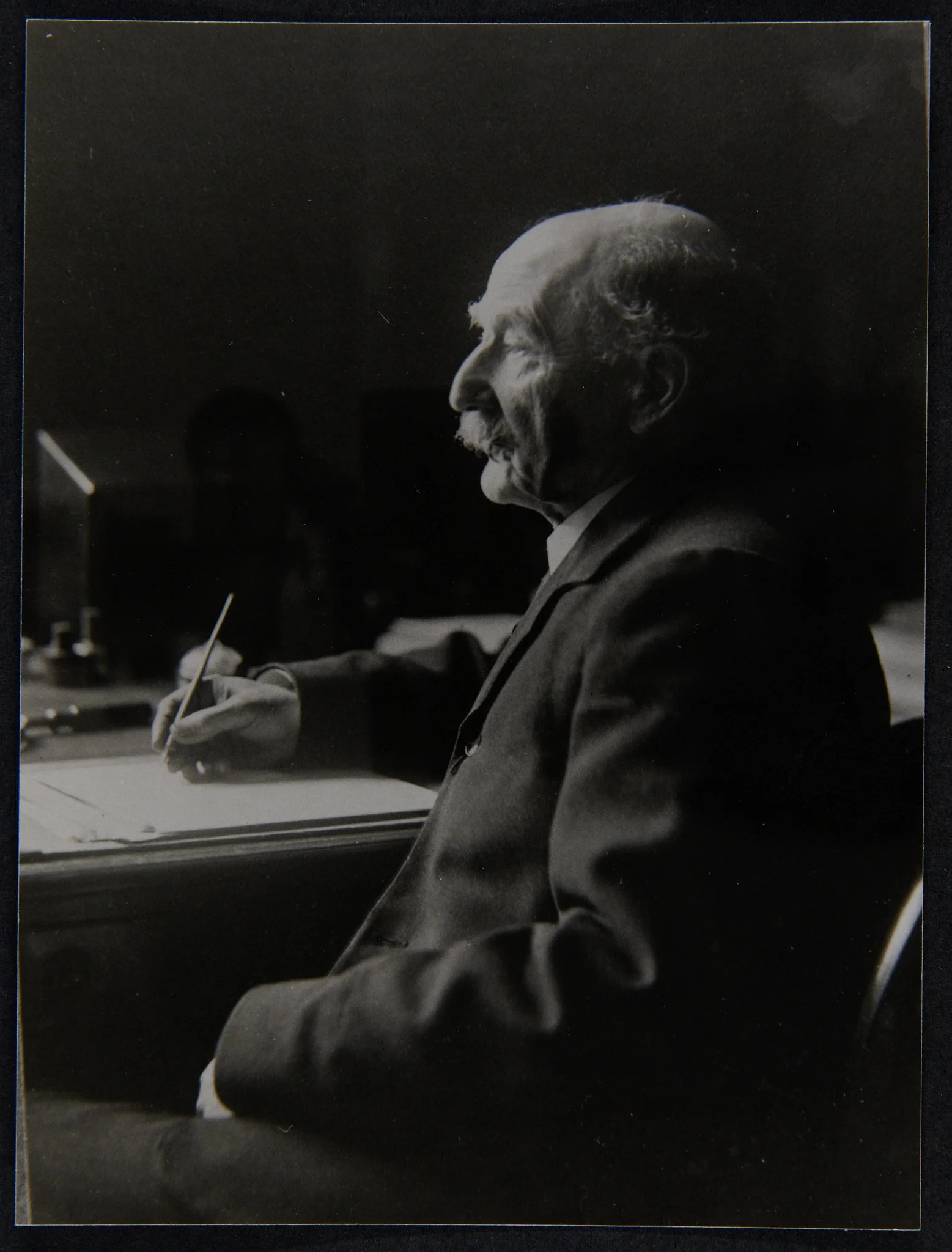
Dorset History Centre is the official archives service and local studies library for Dorset and Bournemouth, Christchurch and Poole.
In October 2025, they completed a £70,000 externally-funded project to catalogue the archive of Thomas Hardy. Over 19 months, archivist Ruth Burton, supported by volunteers, created a detailed catalogue of more than 5,500 entries.
The collection spans items from the manuscript of Under the Greenwood Tree to Hardy’s Christmas cards and over 5,000 items of correspondence, offering new insight into his life and connections.
The catalogue provides a major new research resource for anyone interested in Hardy and his world.
Libraries
Across Dorset there are 23 Dorset Council run libraries. Each library organises a programme of workshops, talks and exhibitions that promote local traditions, storytelling and community engagement.
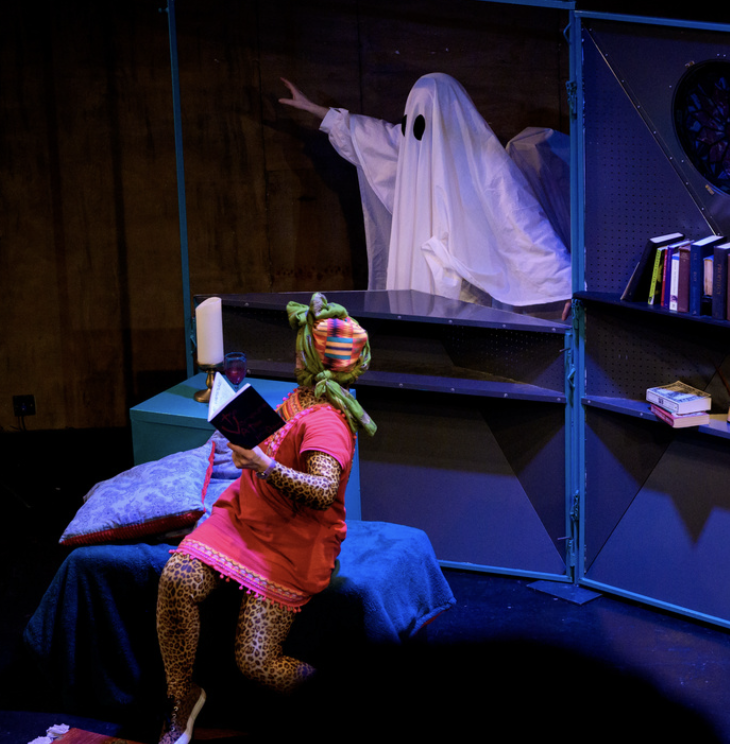
Over 2024 - 25, they ran 6,646 events, attracting 85,782 visitors. Highlights included The Mexico Mission performed by Brave Bold Drama, a lively interactive performance at Wimborne, Bridport, and Swanage.
Arts Development Company
Dorset Council commissions Arts Development Company (ADC) as an independent organisation to enhance growth and partnerships of the cultural sector. It supports the sector by developing skills, strengthening connections and securing funding.
ADC also works with external partners in health, education, environment and tourism to deliver shared strategic initiatives that increase engagement with culture.
This includes Dorset’s Creative Health Strategy bringing together NHS Dorset, hospitals, mental health services and public health with the sector to improve people’s lives through culture.
ADC also unites the sector, bringing together organisations across Dorset to work towards shared strategic objectives.
From this has grown Dorset’s Town of Culture initiative, increasing engagement in culture through collaboration between cultural, civic and community organisations.
Town of Culture is a year long programme to increase engagement with culture through shared working.
Dorset Council provides match funding alongside local town councils to enable more cultural activities to happen.
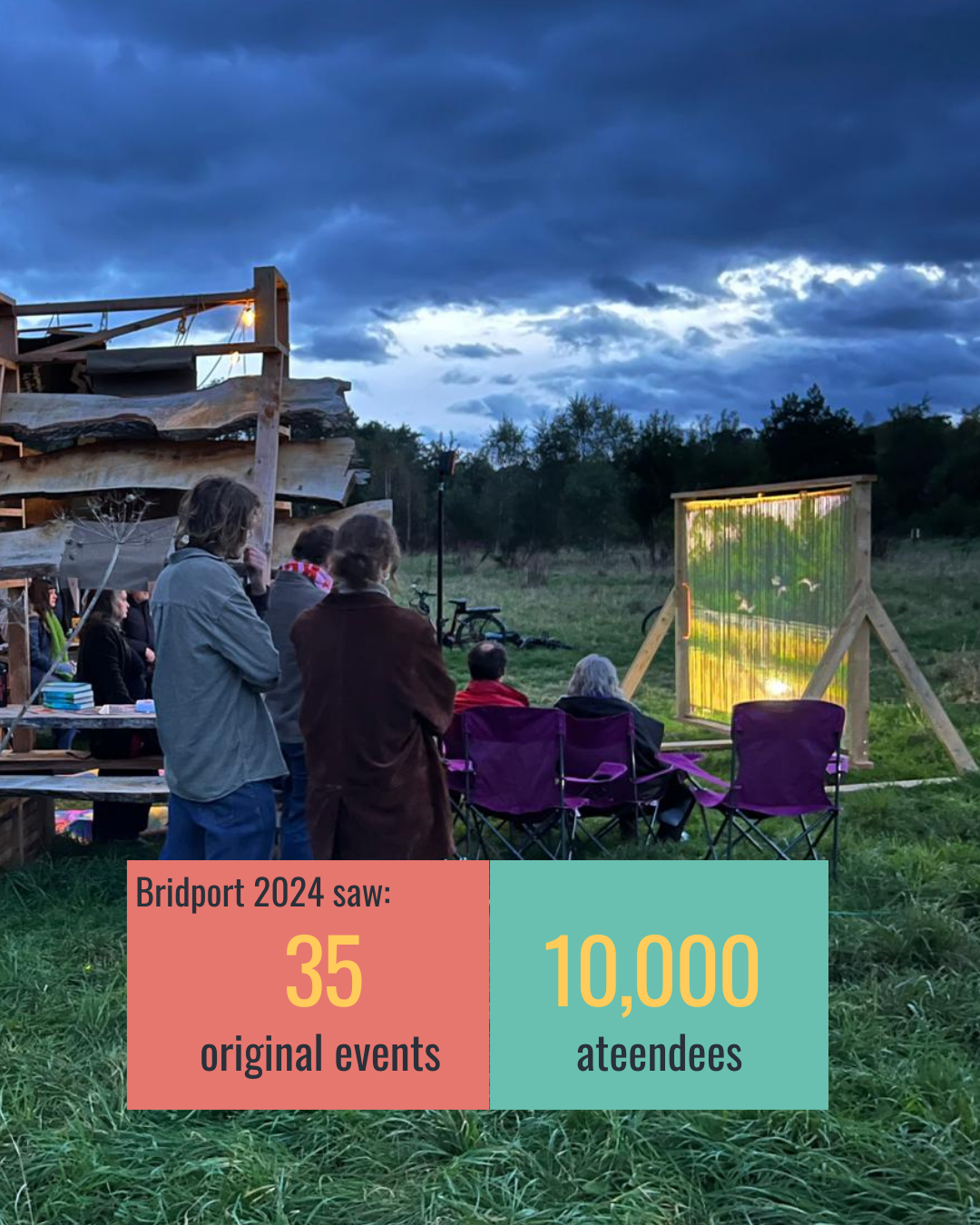
Bridport 2024 received £15,000 for its six-month pilot programme, while Portland and Weymouth 2025 received £30,000 for a year-long programme.
“Town of Culture has galvanised and energised local groups and organisations like never before. The level of collaboration and empowerment has been incredibly valuable across the area.” - Jane Biscombe, Town Clerk, Weymouth Town Council
Case Study: Town of Culture
Investment in Dorset Culture
Dorset benefits from a mix of national and local cultural funding, though per-person investment often falls below the national average.
Notable investments include Nothe Fort, which received £1.38m through the ACE Museum Estate and Development Fund (MEND 4). This funding is helping secure the historic site for cultural activities for years to come.
Spend per head
Dorset exceeds the national average for National Lottery Heritage Funding (£3.13 vs. £2.31 per person).
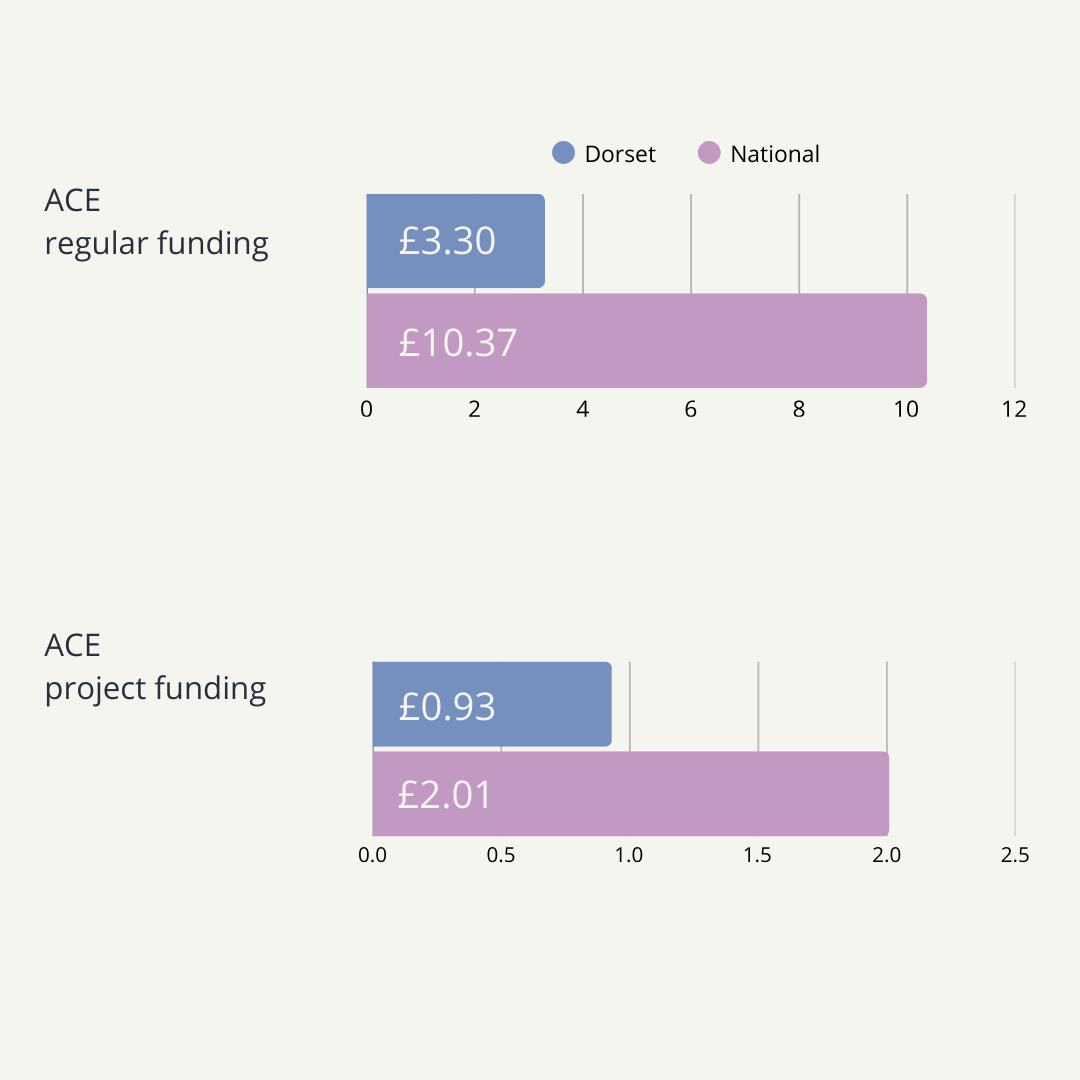
From Arts Council England (ACE) Dorset receives £10.50 per person compared with the national average of £13.90. The numbers are more stark when this is broken down into regular and project funding.
This is also true for three large national trusts and foundations that provide funding for culture, from which Dorset receives just £155k of the £107.67m nationally, equating to £0.003 per person compared to £1.58 nationally.
State of the Sector
Volunteers
Many give their time out of passion for arts and culture, while also finding personal fulfilment and the chance to give back to their communities.
“Through volunteering, I learned, I connected, I grew as a person and developed a feeling of belonging to my community.” - Volunteer at Activate Performing Arts
Our research points to improvements to help volunteering thrive. Better communication and awareness is a key priority, with calls for a single, coordinated hub for cultural activity.
Access and inclusion also remain important, with volunteers noting barriers that prevent wider participation.
“A more unified information system about upcoming events across Dorset.” - Survey Respondent
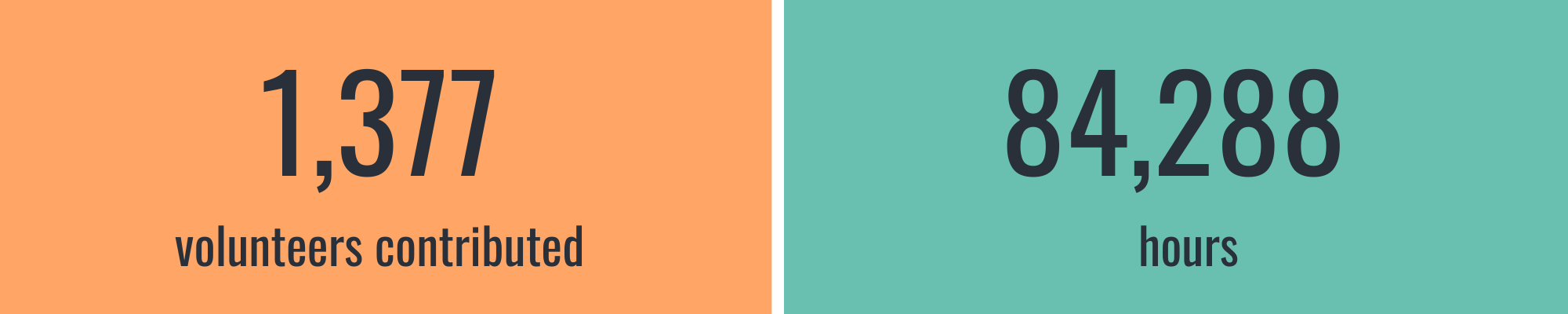
Dorset’s culture thrives thanks to its volunteers. Across Dorset Council-funded organisations, volunteers play a vital role.
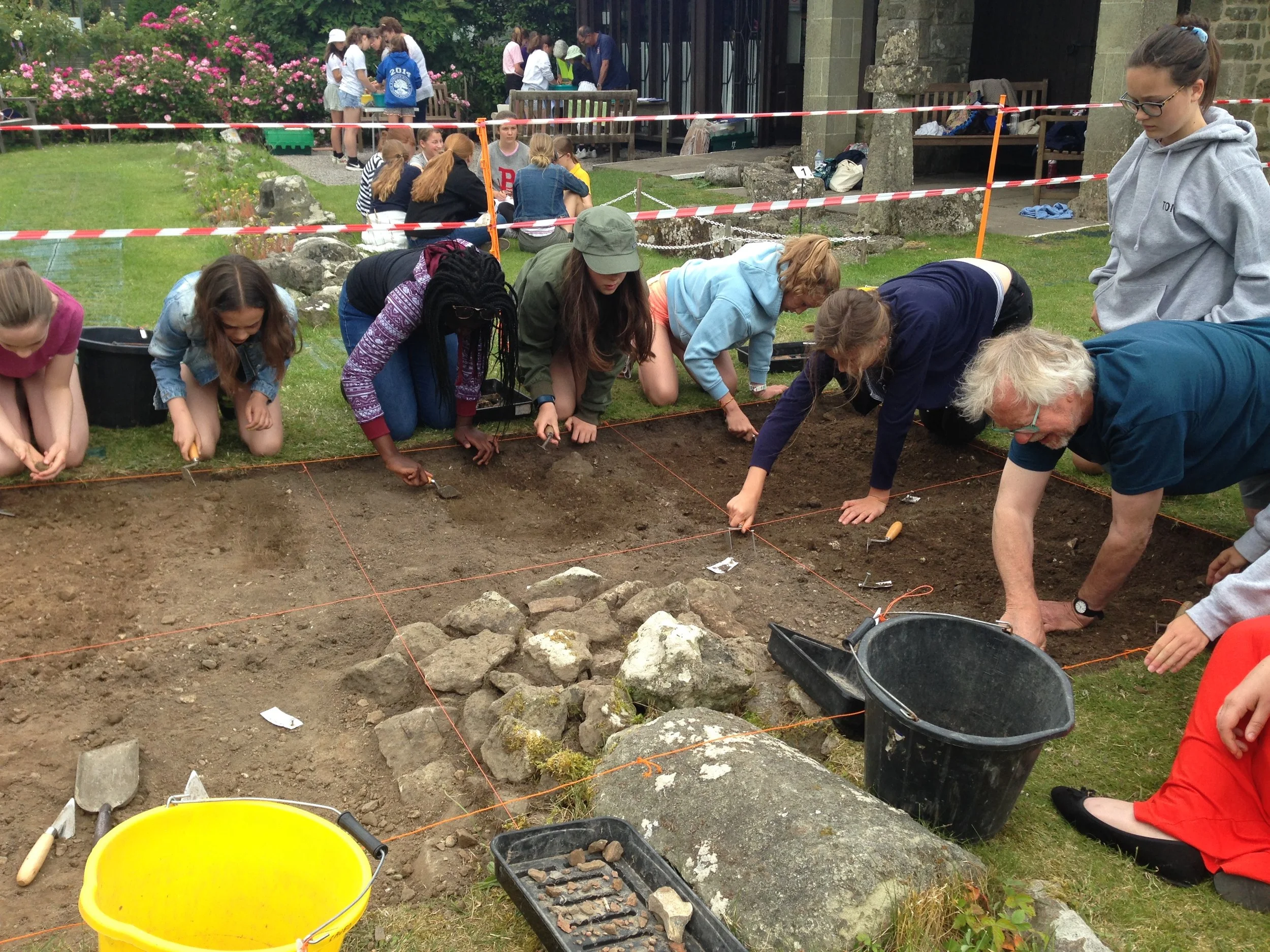
Case Study: Shaftesbury Abbey & Museum
The ruins of Shaftesbury Abbey lie in a walled garden. The museum brings to life the story of the abbey and the people who lived there.
Post Covid, the museum moved to a free entry model, experiencing significant growth in visitor numbers from 12,000 to 40,000 per year and a doubling in income through donations and shop sales.
They have raised their national profile through projects such as the NLHF archaeology project featured on BBC’s Digging for Britain and the ACE-funded St Gregory project with Bournemouth University using digital technology to reassemble a shattered medieval statue.
The Dorset Council-funded cultural project focused on digital content and audience reach, producing five informative and engaging short films, including ‘A Day in the life of a Nun' which reached 18,000 views.
The museum demonstrates how a largely volunteer-run organisation can offer an exceptional experience to both the local community and attract national and international tourists.
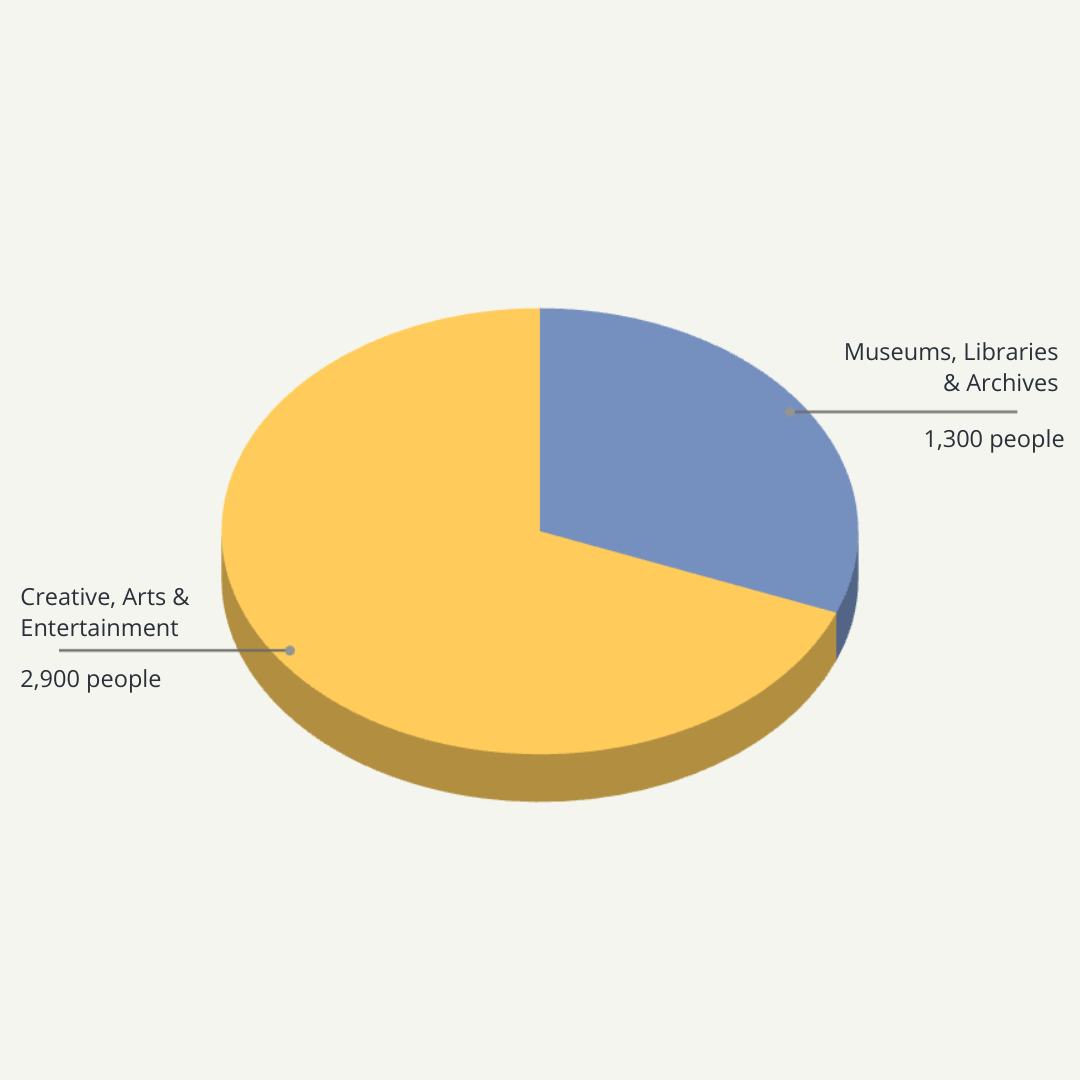
Dorset’s cultural sector employs 4,200 people.
This is a highly experienced workforce: 71% of survey respondents have worked in the sector for over 11 years, and 43% for more than 21 years
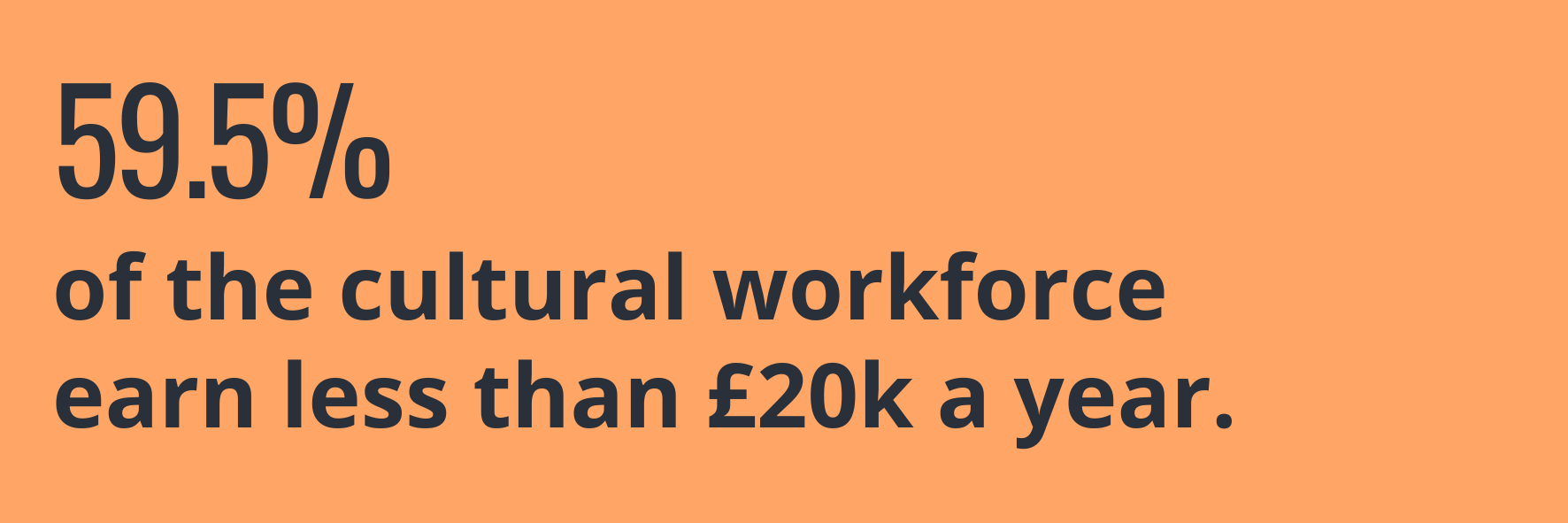
Dorset’s cultural workforce is passionate and skilled, yet these figures highlight the ongoing challenge of supporting developing careers in the sector.
Workforce
Challenges and Opportunities
Dorset’s cultural sector is resilient, but under pressure. Funding is the dominant concern, cited more than 140 times in the survey. Organisations report ongoing deficits, short-term funding cycles, and uncertainty around national arts investment.
Infrastructure is another critical barrier. In parts of Dorset, there is a shortage of affordable, accessible venues and exhibition spaces - limiting both creative production and audience access.
Workforce capacity is also stretched. Many organisations operate with minimal staff leading to unsustainable workloads.
“We can only afford two part-time staff to run multiple projects - burnout is a real threat.” - Survey Respondent
Despite these challenges, the sector is ambitious and forward-looking. Reaching underserved communities and widening participation is a clear shared priority, with a strong emphasis on inclusivity and access.
Stronger partnerships between artists, venues, education providers and community organisations are viewed as essential to sustaining momentum and building skills.
Developing new creative work locally is also a growing ambition. Organisations want to increase production, strengthen local creative ecosystems and deepen community-led activity.
“We want to reach as many people from as many backgrounds as possible” - Survey Respondent
Data Sources
Arts Development Company (2025) Dorset Cultural Strategy Survey
Dorset Council, Revenue Funded Organisations Survey
Participation Survey, (2024-25), Department for Digital, Culture, Media and Sport
Office for National Statistics, Census 2021
Arts Council England (2024- 25) National Investment Dashboard